001
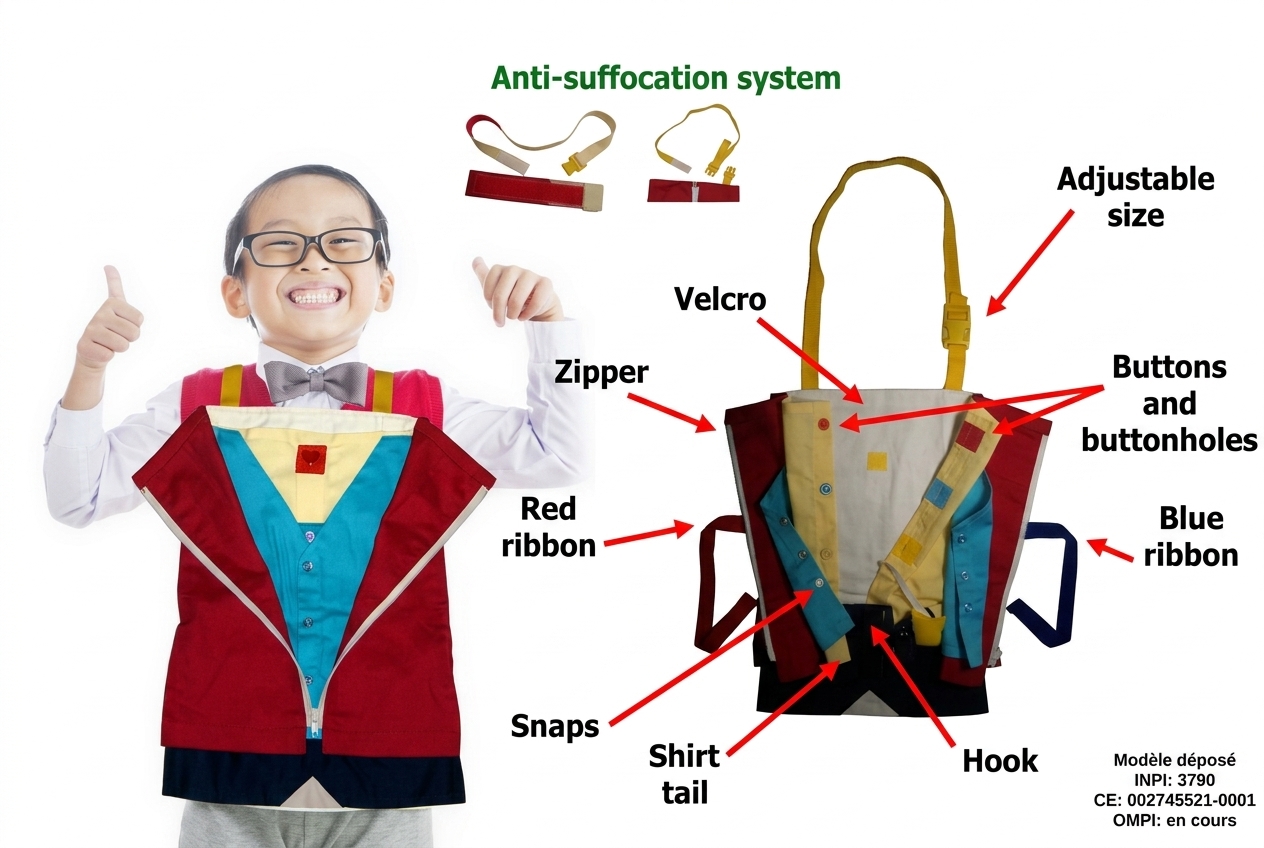
Activity Apron Romeo
Learn to Dress and Undress with Confidence. For boys.

Learn to Dress and Undress with Confidence. For boys.
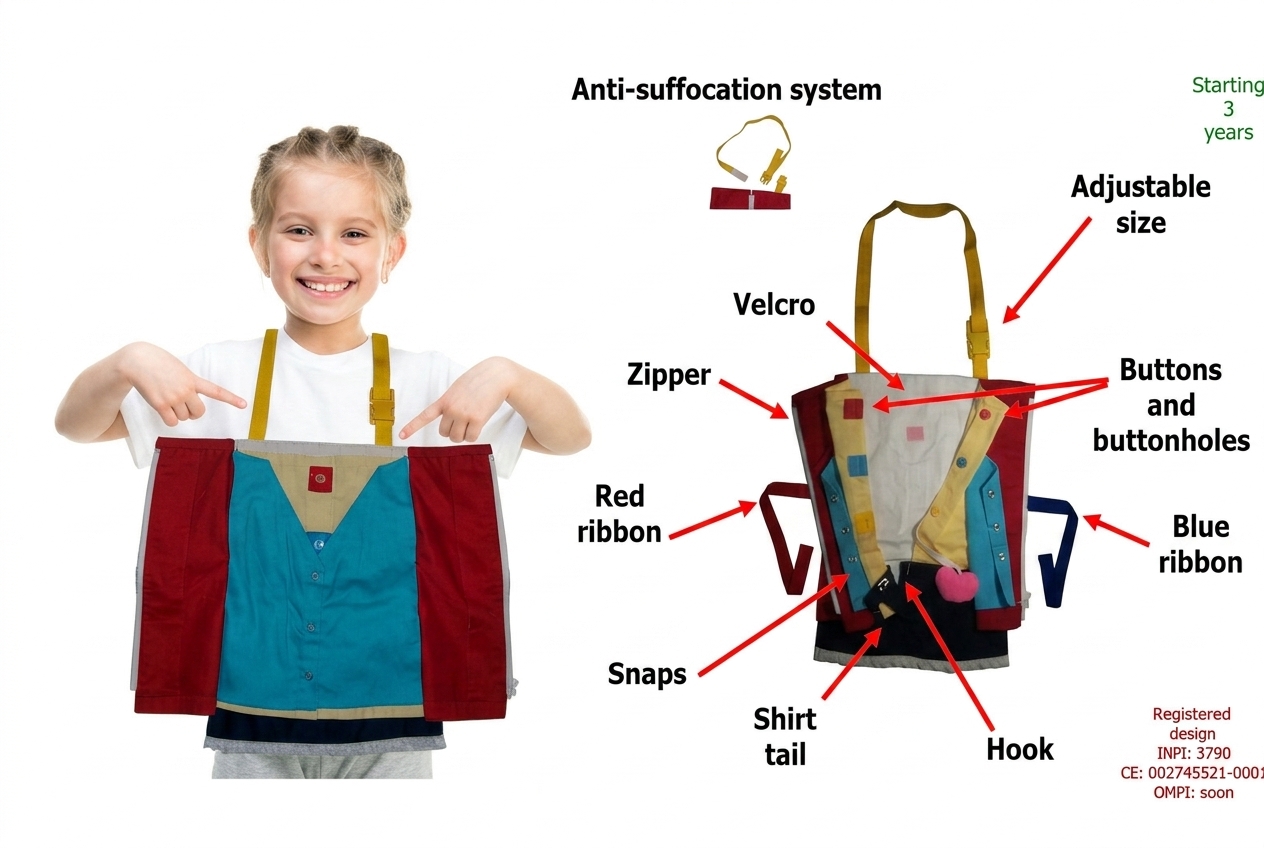
Learn to Dress and Undress with Confidence. For girls.

Learn to Dress and Undress without stress. Unisexe
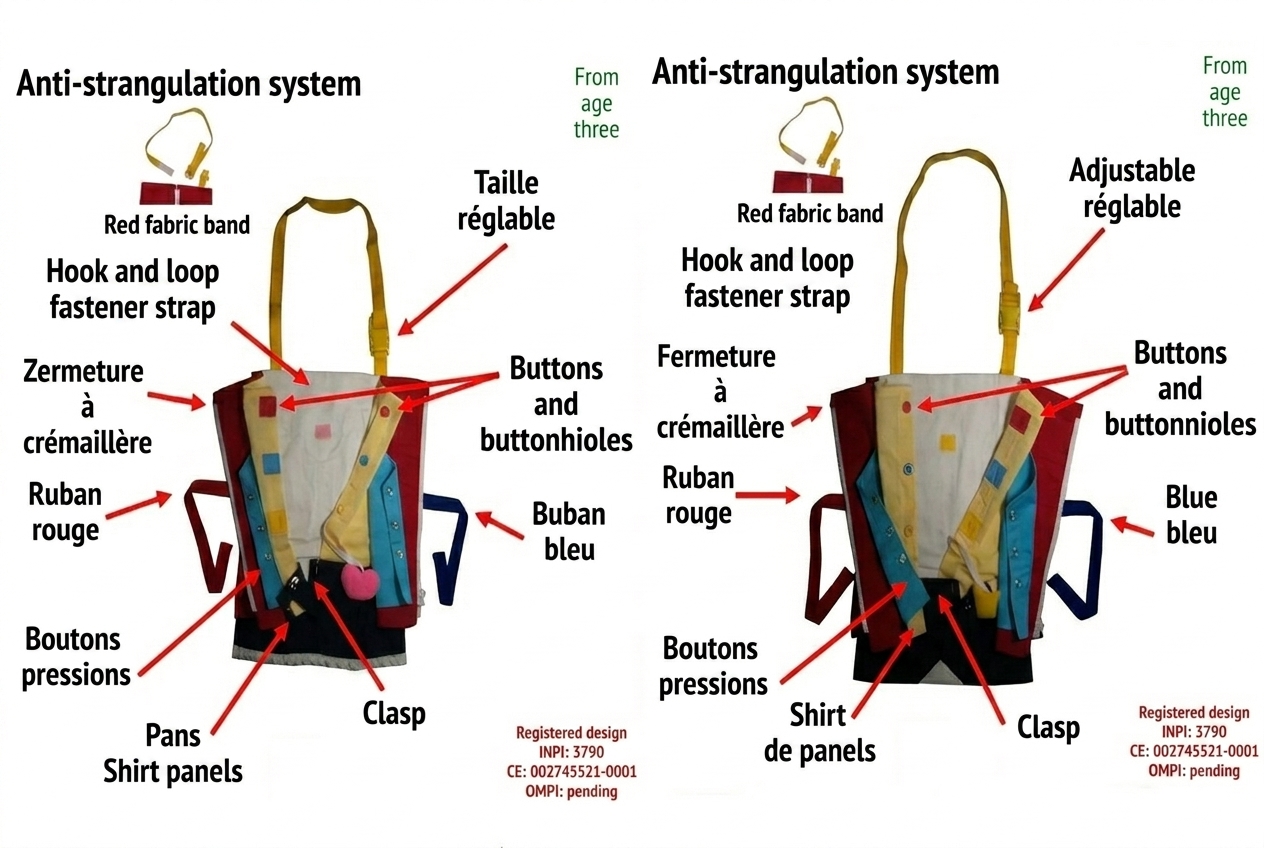
Learn to Dress and Undress with Confidence. For boys and girls.

A Reusable Game Board for Learning, Therapy and Play.
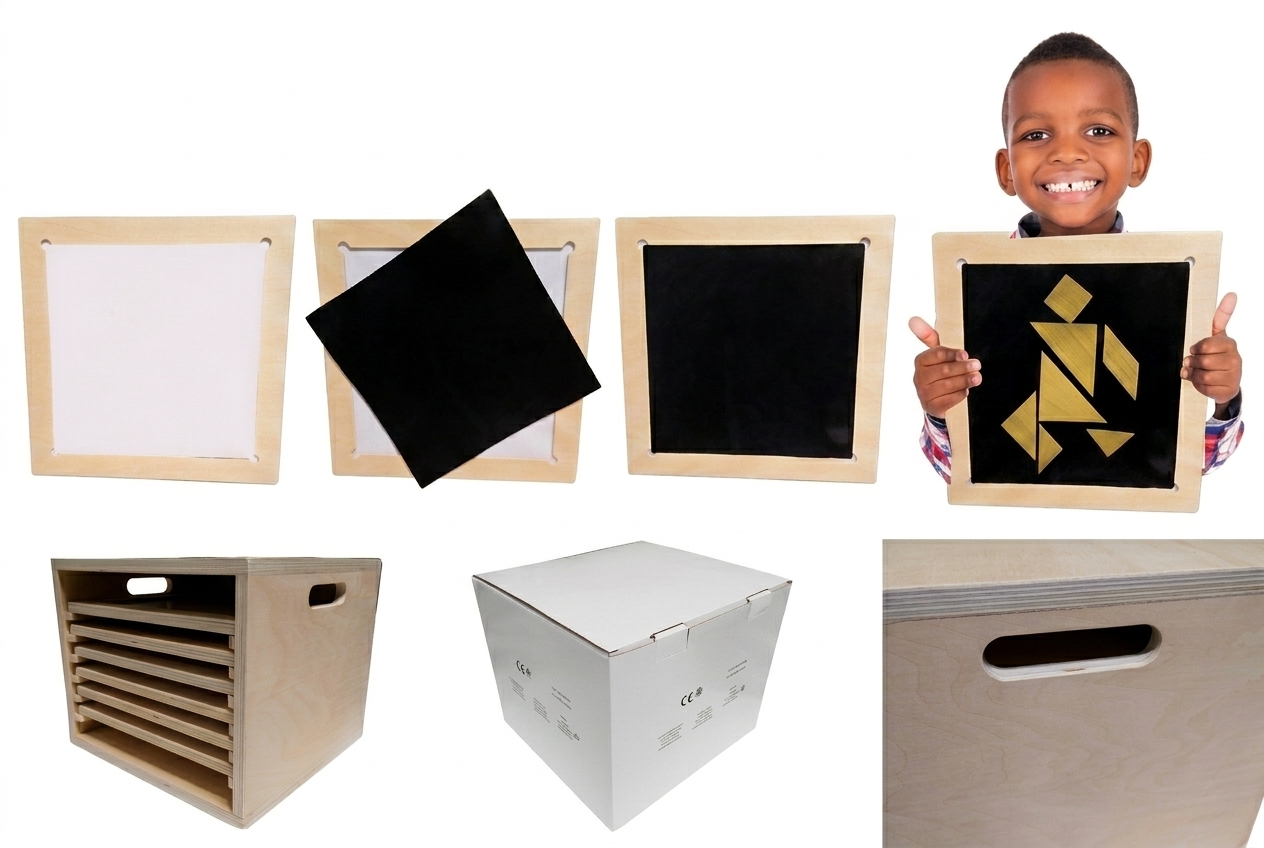
GOSTOP Group Set – Reusable Educational Game Board Set
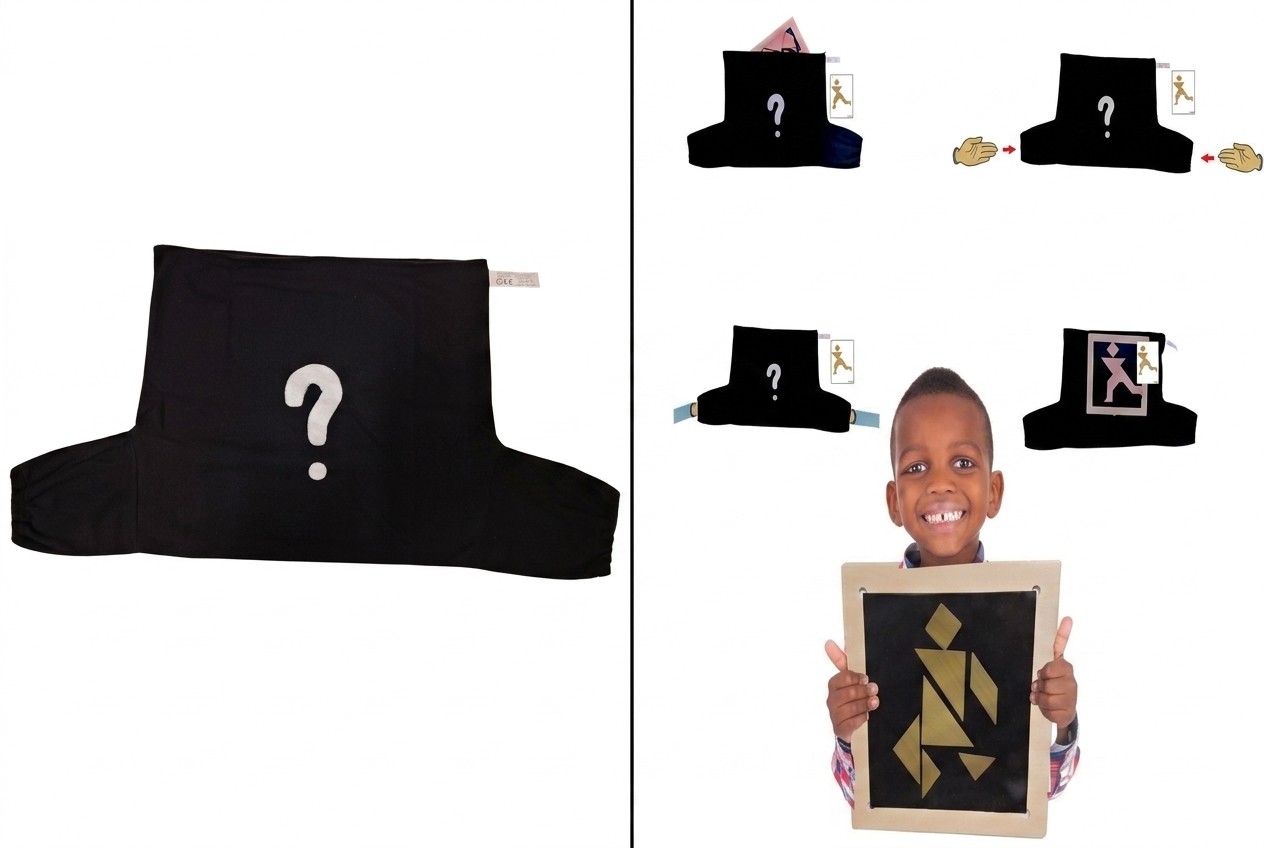
Discover Objects Through Touch

Discover Objects Through Touch - Set of six pieces
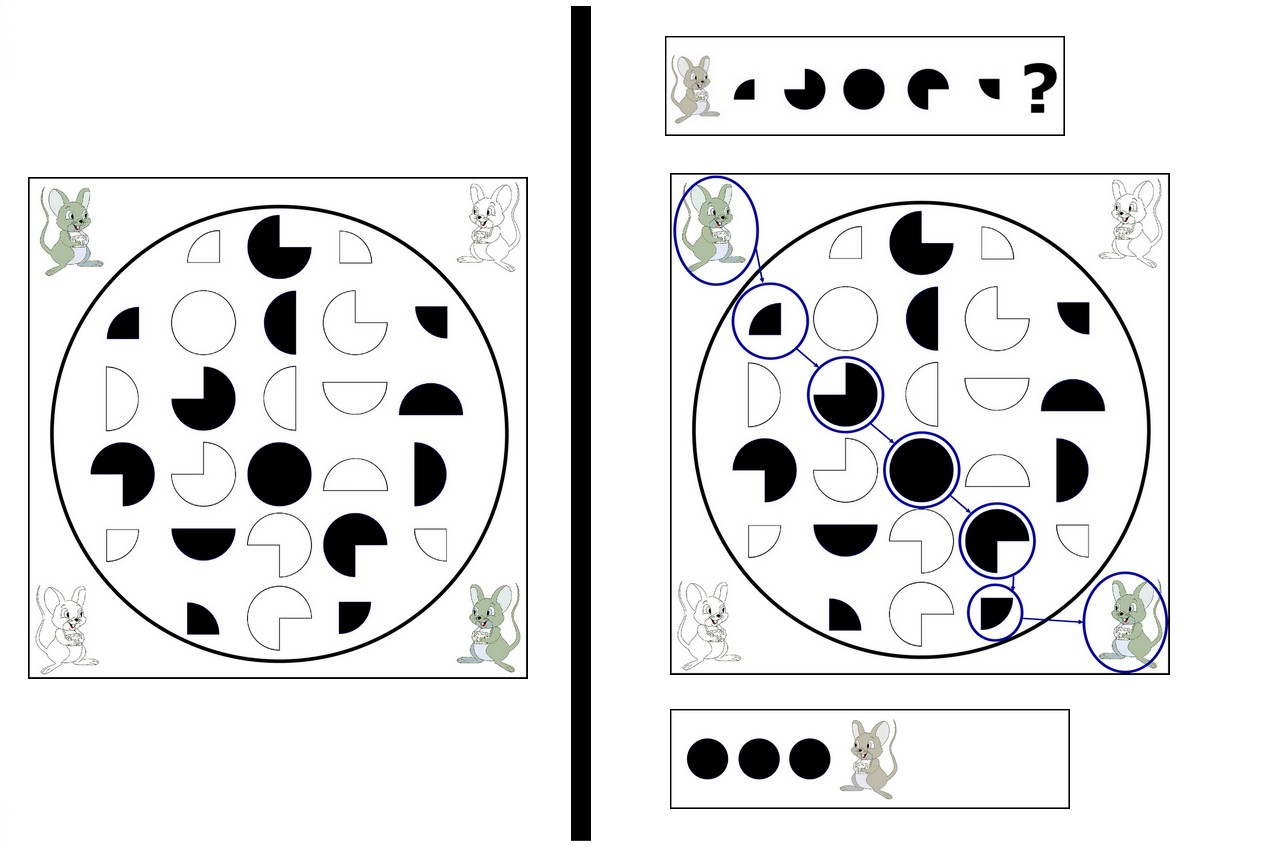
Find the Mouse by Following the Right Shapes

Discover the COLEMOI UK Ltd collection of educational and special needs toys, designed for learning through observation, manipulation, exploration and play.
1) 10th Birthday "Teacher Awards – Romeo & Juliet": The "Shakespeare" pack is available for download online. France and UK only
2) 11th Birthday "Bronze Award" (Dominique): The "Dominique and the Philosophers" pack is available for free download.
3) Free Tangram pack with "The Mystery Bag" while stocks last.